Blog

The Benefits of Tarot: How Tarot Cards Bring Clarity, Healing, and Personal Growth

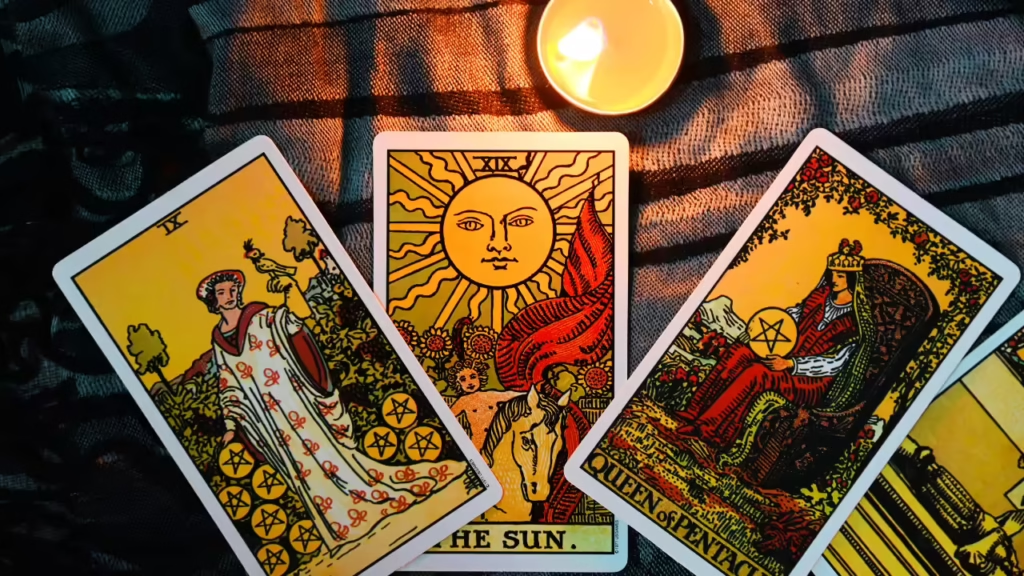
Tarot is far more than a mystical deck of cards—it is a powerful tool for self-discovery, emotional healing, and intuitive guidance. In today’s fast-paced world, many people turn to Tarot to find clarity, direction, and peace of mind. The cards help reveal hidden truths, offer fresh perspectives, and guide us toward better decisions. Whether you are facing confusion in your personal life, seeking emotional balance, or trying to understand your spiritual path, Tarot can be an invaluable companion. Here are some of the most meaningful benefits of Tarot. One of the greatest benefits of Tarot is clarity and insight. When we feel stuck or uncertain, it can be hard to understand what is truly going on beneath the surface. Tarot cuts through this confusion by offering symbolic messages that connect with your intuition. It helps you see situations from a deeper, more honest perspective. This clarity allows you to make choices with confidence rather than fear or doubt. Tarot also supports emotional healing. Many people carry past hurts, unexpressed emotions, or unresolved issues without realizing how they affect daily life. Tarot gently brings these buried emotions to light, encouraging reflection and release. The cards provide comfort, validation, and understanding—helping you heal from within. This emotional clarity promotes peace, balance, and renewed strength. Another significant benefit of Tarot is that it enhances self-awareness. Each card mirrors a part of your inner world—your desires, strengths, fears, and potential. Through Tarot readings, you begin to understand yourself better. You notice patterns, identify limiting beliefs, and discover new aspects of your personality. This self-awareness leads to better decisions, healthier relationships, and a deeper connection with yourself. Tarot is also a wonderful tool for personal growth and empowerment. Instead of telling you what to do, the cards highlight possibilities and guide you toward the best path. They encourage you to trust your intuition and take responsibility for your choices. Over time, this builds confidence, independence, and resilience. Tarot empowers you to create the life you desire rather than waiting for things to change on their own. In relationships, Tarot helps enhance communication and understanding. Whether it’s love, family, or friendship, Tarot reveals emotional dynamics, unspoken feelings, and areas that need attention. This allows you to approach relationships with more empathy, patience, and clarity. It helps resolve misunderstandings and strengthens connections. Tarot also supports manifestation. When you understand your current energy and future possibilities, it becomes easier to align your actions with your intentions. Tarot shows you what to focus on and what to release, helping you manifest your goals more effectively. Spiritually, Tarot helps you connect with your inner wisdom and the universe’s guidance. It strengthens intuition, increases mindfulness, and deepens your spiritual awareness. In essence, Tarot is a gentle yet powerful tool that brings clarity, healing, empowerment, and transformation. It helps you understand your inner world, navigate challenges, and move forward with confidence and purpose.

The Benefits of Tarot: How Tarot Cards Bring Clarity, Healing, and Personal Growth Read More »
The History of Reiki Healing: A Journey of Energy, Healing, and Spiritual Awakening

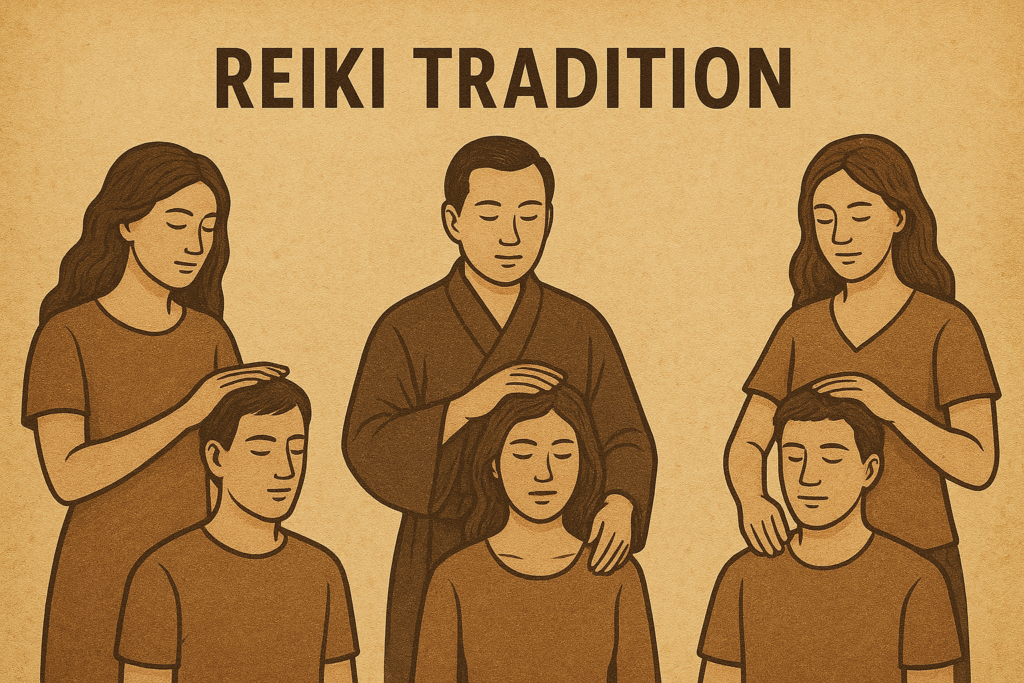
Reiki healing, now widely practiced around the world, has a rich and meaningful history rooted in spiritual wisdom, compassion, and the desire to heal. Although it is known today as a gentle, energy-based healing technique, Reiki’s origins trace back to early 20th-century Japan and the life-changing experiences of its founder, Dr. Mikao Usui. The story of Reiki begins with Dr. Usui, a Japanese spiritual seeker, healer, and scholar. He was deeply curious about how ancient masters healed through touch and energy. This curiosity prompted him to study Buddhist texts, spiritual philosophy, and ancient healing systems. His journey led him to Mount Kurama, a sacred mountain near Kyoto, where he undertook a 21-day meditation, fasting, and prayer retreat. On the final day of this retreat—according to Reiki tradition—Dr. Usui experienced a powerful spiritual awakening. A brilliant light filled his vision, and he received the knowledge and ability to channel universal life force energy. This moment marked the birth of Reiki. After gaining this ability, Dr. Usui began healing others and teaching his method, which he called “Usui Reiki Ryoho.” He opened a healing clinic in Tokyo in 1922, where people from all walks of life came to receive treatment. His technique focused not only on physical healing but also on emotional and spiritual balance. Dr. Usui emphasized five guiding principles—simple yet powerful affirmations for a peaceful and mindful life. These principles remain central to Reiki practice even today. The spread of Reiki continued through Dr. Chūjirō Hayashi, one of Usui’s trained students. Hayashi, a retired naval officer, refined the system further and created structured hand positions and treatment protocols that many practitioners still use. His clinic in Tokyo became a center for training and healing, helping Reiki grow beyond its early origins. Reiki made its way out of Japan largely through Hawayo Takata, a Japanese-American woman. In the 1930s, Takata sought healing for her chronic health issues and traveled to Hayashi’s clinic. After experiencing remarkable improvement, she committed herself to learning Reiki. Takata later brought Reiki to Hawaii and then the mainland United States, teaching thousands of students and making Reiki accessible to Western culture. Her dedication played a crucial role in the global spread of Reiki. Today, Reiki has become a worldwide healing practice embraced by holistic healers, wellness practitioners, hospitals, and individuals seeking natural healing. Despite evolving over time and developing into different styles such as Usui Reiki, Karuna Reiki, and Tibetan Reiki, the core essence remains the same: channeling universal life force energy to promote healing, balance, and peace. The history of Reiki is a story of spiritual awakening, compassion, and the universal desire to heal. What began with Dr. Usui’s profound experience on Mount Kurama has grown into a global healing movement, touching millions of lives and reminding us of our inherent connection to energy, harmony, and inner well-being.

The History of Reiki Healing: A Journey of Energy, Healing, and Spiritual Awakening Read More »

The History of Tarot: From Ancient Cards to a Modern Spiritual Tool

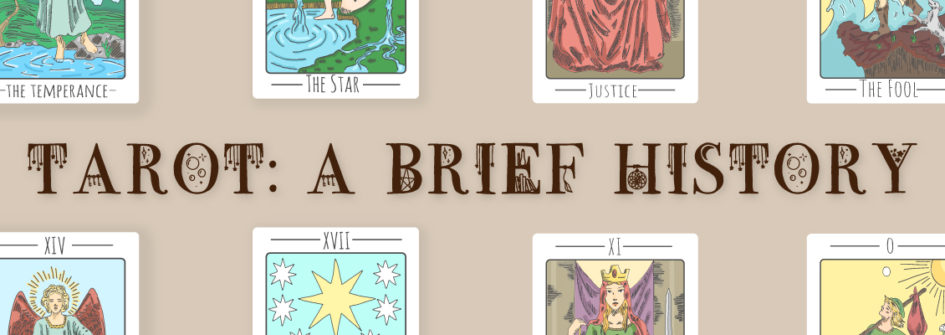
The Tarot we know today—used for guidance, reflection, and spiritual insight—has a rich and fascinating history that spans centuries. While many people assume Tarot has mystical or occult origins from ancient civilizations, its true journey is far more layered and culturally diverse. Understanding the history of Tarot helps us appreciate how it evolved from a simple card game into a powerful tool for intuition and personal growth. The earliest known Tarot cards date back to the early 15th century in Europe, particularly in Italy. These cards were not initially used for divination. Instead, they were part of a card game called “Tarocchi,” played by nobles and aristocrats. Wealthy families commissioned beautifully hand-painted decks featuring elaborate artwork, symbolic figures, and cultural themes of the time. These early decks were more like luxury items or collectibles than anything mystical. Over time, the structure of the Tarot deck began to take shape. The cards we now call the Major Arcana were originally known as “triumphs” or “trionfi,” representing symbolic characters such as The Emperor, The Lovers, or The Wheel of Fortune. These images reflected moral lessons, virtues, societal roles, and human experiences. The Minor Arcana, similar to modern playing cards, featured four suits representing everyday life. It wasn’t until the 18th century that Tarot took on a deeper, spiritual meaning. A French occultist named Antoine Court de Gébelin proposed that Tarot cards contained ancient wisdom from Egypt—a claim later proven untrue, but incredibly influential at the time. His writings sparked great interest in Tarot as a mystical tool, shifting its purpose from entertainment to esoteric study. Following this shift, Tarot became associated with divination, astrology, numerology, and the Kabbalah. In the 19th century, secret societies like the Hermetic Order of the Golden Dawn played a major role in shaping modern Tarot interpretation. Influential members such as Arthur Edward Waite and Pamela Colman Smith created the iconic Rider-Waite-Smith deck in 1909. This deck, filled with rich symbolism and intuitive imagery, is now the most widely used Tarot deck in the world and set the standard for many decks that followed. In the 20th century, Tarot began to expand beyond occult circles. It became a popular tool for self-reflection, psychology, and spiritual growth. Renowned psychiatrist Carl Jung even explored Tarot’s archetypes, connecting them to the collective unconscious and human behavior. This helped position Tarot as a valuable tool for inner exploration rather than mere fortune-telling. Today, Tarot is celebrated globally. There are thousands of deck styles—from traditional to modern, artistic, and culturally inspired. People from all backgrounds use Tarot for meditation, healing, manifestation, and personal empowerment. The history of Tarot is a beautiful blend of art, culture, symbolism, and spiritual evolution. What began as a simple card game has transformed into a profound tool that helps millions connect with their intuition, understand their journey, and navigate life with clarity and insight.

The History of Tarot: From Ancient Cards to a Modern Spiritual Tool Read More »

How Is Tarot Important in Our Life ? A Deep Dive Into Its Everyday Value

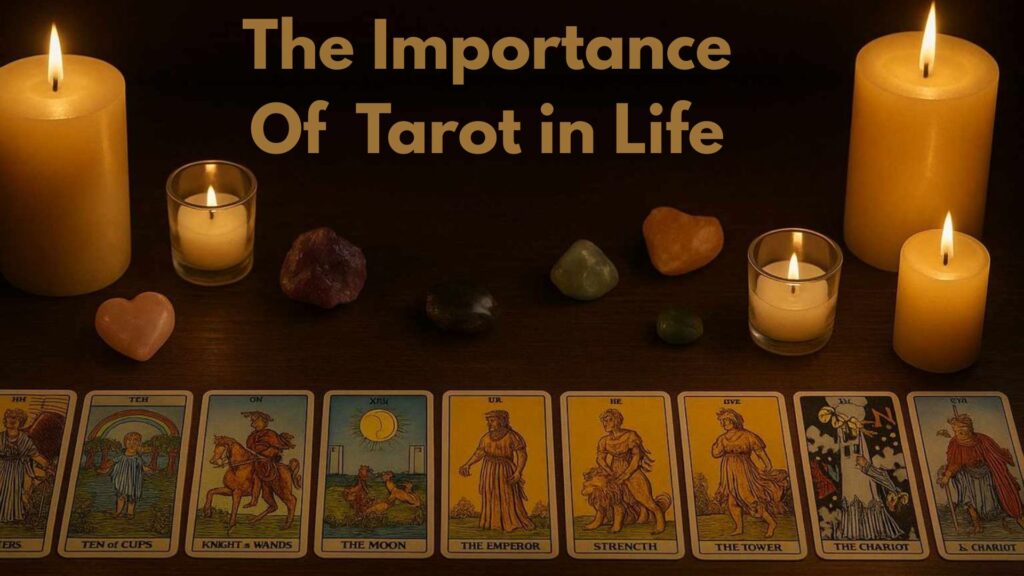
Tarot is often seen as a mystical art, but beyond the cards and symbols lies a meaningful tool that can support us in our daily lives. In a world full of uncertainty, stress, and constant decision-making, Tarot offers clarity, emotional comfort, and direction. It acts like a guide—helping us understand our feelings, recognize our patterns, and make empowered choices. Tarot is not about predicting the future with absolute certainty; rather, it highlights possibilities, energies, and opportunities that help us move forward with confidence. One of the most important roles of Tarot is self-awareness. Many of us go through life on autopilot, unaware of the deeper emotions or beliefs shaping our decisions. Tarot gently brings these hidden layers to the surface. Through its imagery and symbolism, it mirrors what’s happening within us—our desires, fears, strengths, and challenges. This level of insight helps us understand ourselves better and make conscious choices instead of reacting impulsively. Tarot also plays a significant role in emotional healing. When we feel stuck, overwhelmed, or confused, the cards provide reassurance and perspective. They help us process emotions, release negativity, and gain clarity about situations that feel complicated. Many people describe Tarot sessions as therapeutic because they leave with a sense of relief, hope, and direction. It shows you what you need to focus on, what to let go of, and what opportunities are waiting ahead. In relationships—whether romantic, family, or friendships—Tarot helps us understand dynamics, patterns, and communication gaps. It reveals where harmony exists and where healing is needed. Instead of making decisions out of fear or assumption, Tarot guides us to reflect and respond with maturity and understanding. This creates healthier, more meaningful connections. In career and personal growth, Tarot is equally valuable. It can highlight your strengths, talents, and potential paths, helping you choose the direction that aligns with your soul’s purpose. When you face challenges at work or feel unsure about a decision, Tarot can show alternate perspectives and hidden opportunities. It boosts confidence and supports clear, intuitive thinking. Another important aspect of Tarot is spiritual growth. The cards connect us to our intuition—the inner voice we often ignore. Regular Tarot practice strengthens this inner guidance, helping you trust yourself more deeply. Over time, it becomes easier to make decisions, set boundaries, and align your life with your true goals. Tarot also encourages mindfulness. It helps you slow down, reflect, and reconnect with your inner self. In a fast-paced world, this quiet moment of introspection can be incredibly grounding and healing. Ultimately, Tarot is important in our lives because it empowers us. It doesn’t tell you what to do—it shows you what you can do. It guides without controlling and provides insight without judgment. Tarot helps you navigate life’s ups and downs with wisdom, clarity, and confidence, making it a powerful tool for anyone seeking a deeper understanding of themselves and their path. Tarot isn’t just a practice—it’s a companion on your journey toward growth, healing, and self-discovery.

How Is Tarot Important in Our Life ? A Deep Dive Into Its Everyday Value Read More »

What Is Tarot ? A Beginner-Friendly Guide to the World of Tarot Cards

Tarot is an ancient and intuitive tool used for guidance, clarity, and self-discovery. Though often misunderstood as fortune-telling, Tarot is much more than predicting the future—it is a deep, reflective system that helps you understand your thoughts, emotions, patterns, and possibilities. Tarot works as a mirror to your inner world, offering insights that empower you to make confident decisions and move forward with clarity. A traditional Tarot deck consists of 78 cards, each rich with symbols, imagery, and meaning. These cards are divided into two main parts: the Major Arcana and the Minor Arcana. The Major Arcana includes 22 cards, representing major life themes, spiritual lessons, and transformative energies—such as The Fool, The Magician, or The World. These cards often show up when you’re dealing with significant changes or life milestones. The Minor Arcana, made up of 56 cards, focuses on everyday situations, emotions, challenges, and actions within daily life. These cards are split into four suits—Cups, Pentacles, Wands, and Swords—each linked to a specific aspect of life such as emotions, finances, creativity, and thoughts. One of the most beautiful aspects of Tarot is that it does not take away your free will. Instead, it guides you to see different perspectives, possible outcomes, and hidden influences. Tarot highlights the energies surrounding a situation, helping you understand what is happening now, what patterns are playing out, and what choices can lead you to the best outcome. It is a blend of intuition, psychology, symbolism, and spiritual wisdom. Tarot readings can be done for various areas of life—love, career, relationships, finances, personal growth, and emotional healing. People often turn to Tarot when they feel confused, stuck, or overwhelmed. The cards help bring clarity, reassurance, and direction. Even a single card can offer a powerful message or reminder that shifts your mindset and helps you see things differently. Learning Tarot is also a beautiful journey of self-awareness. As you connect with the cards, you begin to understand your own intuition more deeply. Tarot teaches you to trust your inner voice and listen to subtle messages from your subconscious mind. Many people use Tarot not only for guidance but also for meditation, journaling, and emotional healing. Today, Tarot is embraced by spiritual seekers, healers, and even those simply looking to understand themselves better. It encourages self-reflection, decision-making, and growth. Whether you receive a reading from a Tarot practitioner or learn to read the cards yourself, Tarot becomes a supportive tool that grows with you on your personal journey. In essence, Tarot is not about telling you what will happen—it’s about helping you see the best path forward. It empowers you to take charge of your life, align with your true purpose, and navigate challenges with greater wisdom and confidence. Through Tarot, you gain a deeper understanding of your inner world and the universe around you, making it a powerful tool for transformation and insight.

What Is Tarot ? A Beginner-Friendly Guide to the World of Tarot Cards Read More »