
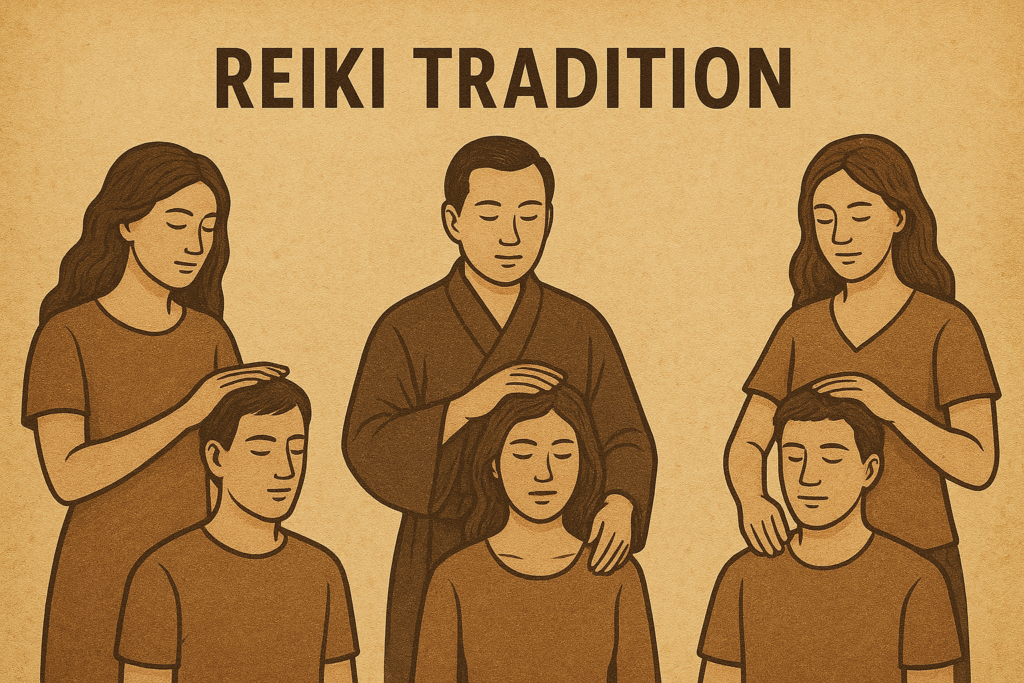
Reiki healing, now widely practiced around the world, has a rich and meaningful history rooted in spiritual wisdom, compassion, and the desire to heal. Although it is known today as a gentle, energy-based healing technique, Reiki’s origins trace back to early 20th-century Japan and the life-changing experiences of its founder, Dr. Mikao Usui.
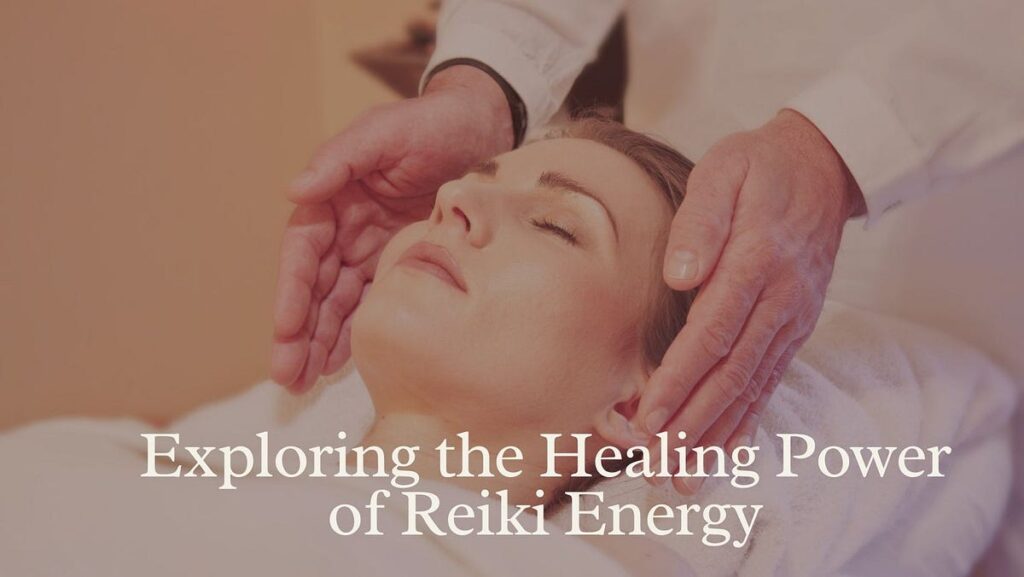
The story of Reiki begins with Dr. Usui, a Japanese spiritual seeker, healer, and scholar. He was deeply curious about how ancient masters healed through touch and energy. This curiosity prompted him to study Buddhist texts, spiritual philosophy, and ancient healing systems. His journey led him to Mount Kurama, a sacred mountain near Kyoto, where he undertook a 21-day meditation, fasting, and prayer retreat. On the final day of this retreat—according to Reiki tradition—Dr. Usui experienced a powerful spiritual awakening. A brilliant light filled his vision, and he received the knowledge and ability to channel universal life force energy. This moment marked the birth of Reiki.
After gaining this ability, Dr. Usui began healing others and teaching his method, which he called “Usui Reiki Ryoho.” He opened a healing clinic in Tokyo in 1922, where people from all walks of life came to receive treatment. His technique focused not only on physical healing but also on emotional and spiritual balance. Dr. Usui emphasized five guiding principles—simple yet powerful affirmations for a peaceful and mindful life. These principles remain central to Reiki practice even today.
The spread of Reiki continued through Dr. Chūjirō Hayashi, one of Usui’s trained students. Hayashi, a retired naval officer, refined the system further and created structured hand positions and treatment protocols that many practitioners still use. His clinic in Tokyo became a center for training and healing, helping Reiki grow beyond its early origins.
Reiki made its way out of Japan largely through Hawayo Takata, a Japanese-American woman. In the 1930s, Takata sought healing for her chronic health issues and traveled to Hayashi’s clinic. After experiencing remarkable improvement, she committed herself to learning Reiki. Takata later brought Reiki to Hawaii and then the mainland United States, teaching thousands of students and making Reiki accessible to Western culture. Her dedication played a crucial role in the global spread of Reiki.
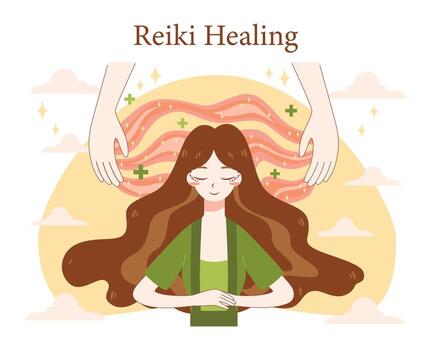
Today, Reiki has become a worldwide healing practice embraced by holistic healers, wellness practitioners, hospitals, and individuals seeking natural healing. Despite evolving over time and developing into different styles such as Usui Reiki, Karuna Reiki, and Tibetan Reiki, the core essence remains the same: channeling universal life force energy to promote healing, balance, and peace.
The history of Reiki is a story of spiritual awakening, compassion, and the universal desire to heal. What began with Dr. Usui’s profound experience on Mount Kurama has grown into a global healing movement, touching millions of lives and reminding us of our inherent connection to energy, harmony, and inner well-being.