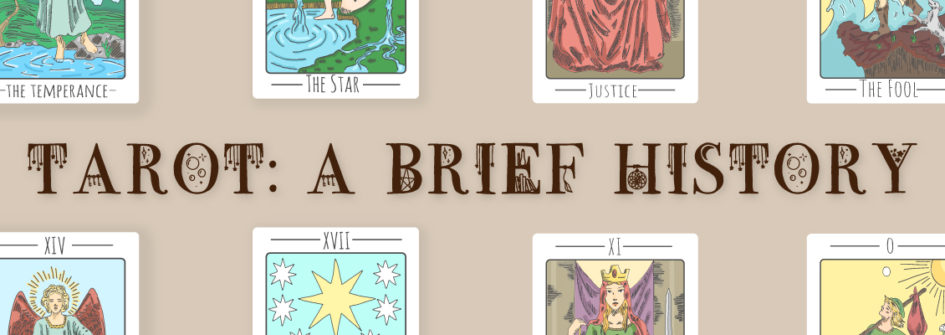
The Tarot we know today—used for guidance, reflection, and spiritual insight—has a rich and fascinating history that spans centuries. While many people assume Tarot has mystical or occult origins from ancient civilizations, its true journey is far more layered and culturally diverse. Understanding the history of Tarot helps us appreciate how it evolved from a simple card game into a powerful tool for intuition and personal growth.
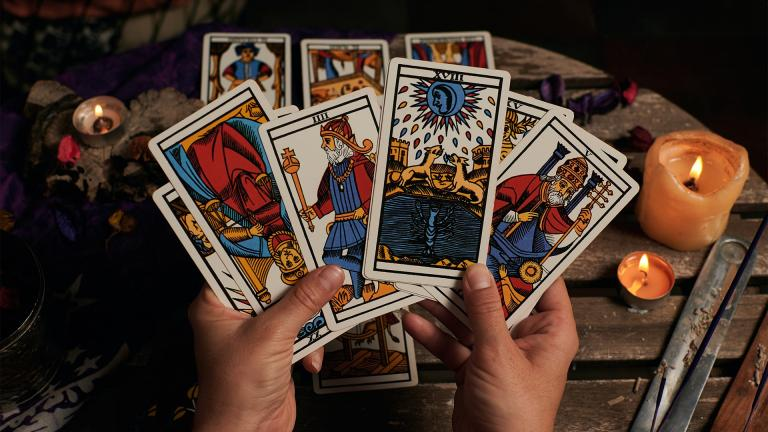
The earliest known Tarot cards date back to the early 15th century in Europe, particularly in Italy. These cards were not initially used for divination. Instead, they were part of a card game called “Tarocchi,” played by nobles and aristocrats. Wealthy families commissioned beautifully hand-painted decks featuring elaborate artwork, symbolic figures, and cultural themes of the time. These early decks were more like luxury items or collectibles than anything mystical.
Over time, the structure of the Tarot deck began to take shape. The cards we now call the Major Arcana were originally known as “triumphs” or “trionfi,” representing symbolic characters such as The Emperor, The Lovers, or The Wheel of Fortune. These images reflected moral lessons, virtues, societal roles, and human experiences. The Minor Arcana, similar to modern playing cards, featured four suits representing everyday life.
It wasn’t until the 18th century that Tarot took on a deeper, spiritual meaning. A French occultist named Antoine Court de Gébelin proposed that Tarot cards contained ancient wisdom from Egypt—a claim later proven untrue, but incredibly influential at the time. His writings sparked great interest in Tarot as a mystical tool, shifting its purpose from entertainment to esoteric study.
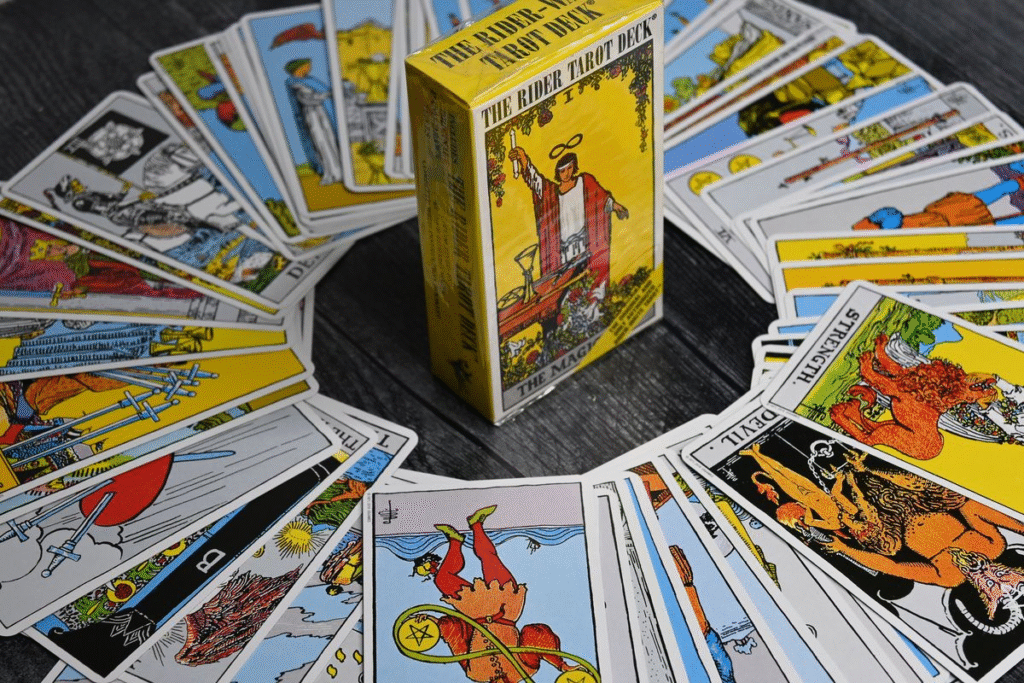
Following this shift, Tarot became associated with divination, astrology, numerology, and the Kabbalah. In the 19th century, secret societies like the Hermetic Order of the Golden Dawn played a major role in shaping modern Tarot interpretation. Influential members such as Arthur Edward Waite and Pamela Colman Smith created the iconic Rider-Waite-Smith deck in 1909. This deck, filled with rich symbolism and intuitive imagery, is now the most widely used Tarot deck in the world and set the standard for many decks that followed.
In the 20th century, Tarot began to expand beyond occult circles. It became a popular tool for self-reflection, psychology, and spiritual growth. Renowned psychiatrist Carl Jung even explored Tarot’s archetypes, connecting them to the collective unconscious and human behavior. This helped position Tarot as a valuable tool for inner exploration rather than mere fortune-telling.
Today, Tarot is celebrated globally. There are thousands of deck styles—from traditional to modern, artistic, and culturally inspired. People from all backgrounds use Tarot for meditation, healing, manifestation, and personal empowerment.
The history of Tarot is a beautiful blend of art, culture, symbolism, and spiritual evolution. What began as a simple card game has transformed into a profound tool that helps millions connect with their intuition, understand their journey, and navigate life with clarity and insight.